
Technology
ENGINEERED TO BREATHE
Rethinking the relationship between airflow, filtration and combustion.
SCHÖRL combines depth filtration, high surface-area filter construction and engineered air treatment to deliver a filtration system designed for high airflow and effective particle capture. EXPLORE THE TECHNOLOGY ↓
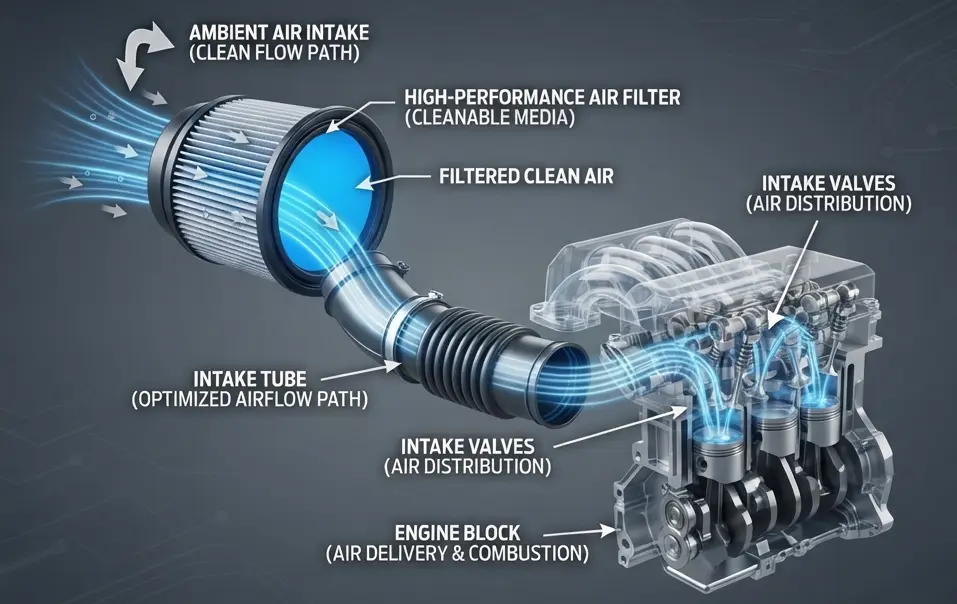
THE ENGINE NEEDS AIR. THE FILTER HAS TO STOP DUST.
An intake air filter has two essential jobs: allow sufficient air into the engine while preventing dust and contaminants from reaching the combustion system.
THE TRADE-OFF
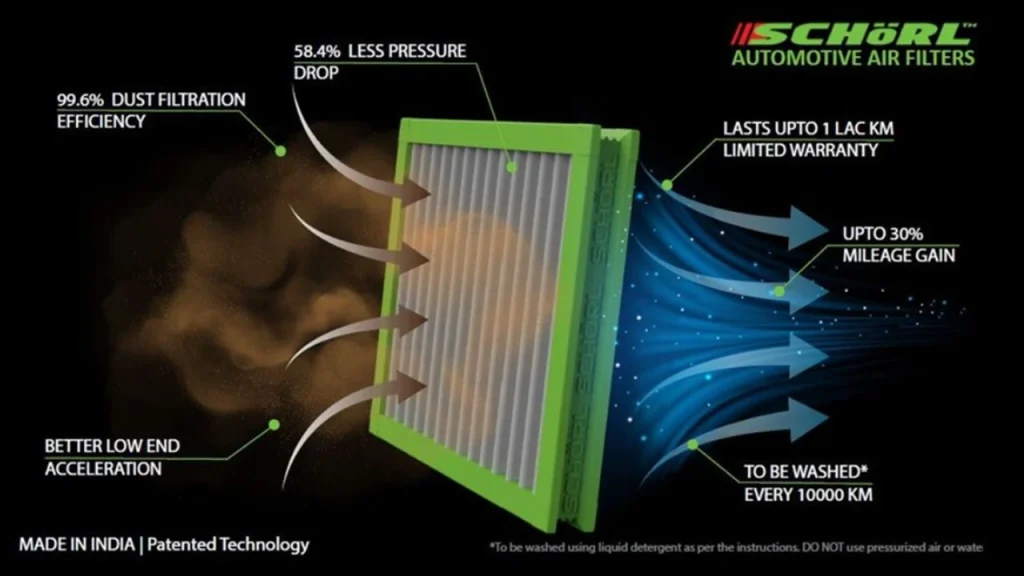
Increasing filtration can introduce resistance to airflow. Excessive restriction can reduce the air available to the engine, particularly under higher load. This is the central problem Schorl is trying to address.
DEPTH FILTRATION
SCHÖRL uses a thicker non-woven filtration media designed to enable depth filtration. Pleating increases the available filtration surface area, combining the advantages of depth filtration with the high surface area of a conventional pleated filter.
ENGINEERED
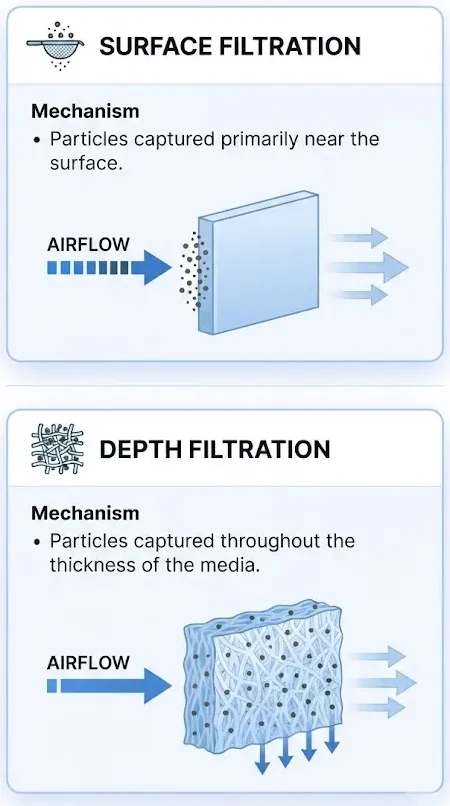
NON-WOVEN MEDIA
Increased media thickness enables depth filtration.
PLEATED CONSTRUCTION
Pleating increases effective filtration surface area.
ENGINEERED AIRFLOW
The filter is designed to provide filtration while managing airflow resistance.
The depth-filtration structure is designed to reduce the airflow resistance associated with conventional filtration media, allowing the intake system to maintain higher airflow under comparable conditions.
58.4%
LOWER PRESSURE DROP
MEASURED
UNDERSTANDING PRESSURE DROP
Pressure drop represents the difference in air pressure across the filter as air passes through it. A lower pressure drop indicates less resistance to airflow under the measured test conditions.
STOCK (Higher pressure drop) ↓ vs SCHÖRL (Lower pressure drop)
AIRFLOW AFFECTS VOLUMETRIC EFFICIENCY
Volumetric efficiency describes how effectively an engine fills its cylinders with fresh charge relative to its theoretical swept volume.
– Less intake restriction ↓
– Greater potential airflow ↓
– Higher cylinder filling ↓
– Potential improvement in volumetric efficiency
Note: Lower pressure drop does not mean a guaranteed mileage increase. Engine performance is complex and multi-variable.
THERE ARE MULTIPLE WAYS TO MOVE MORE AIR
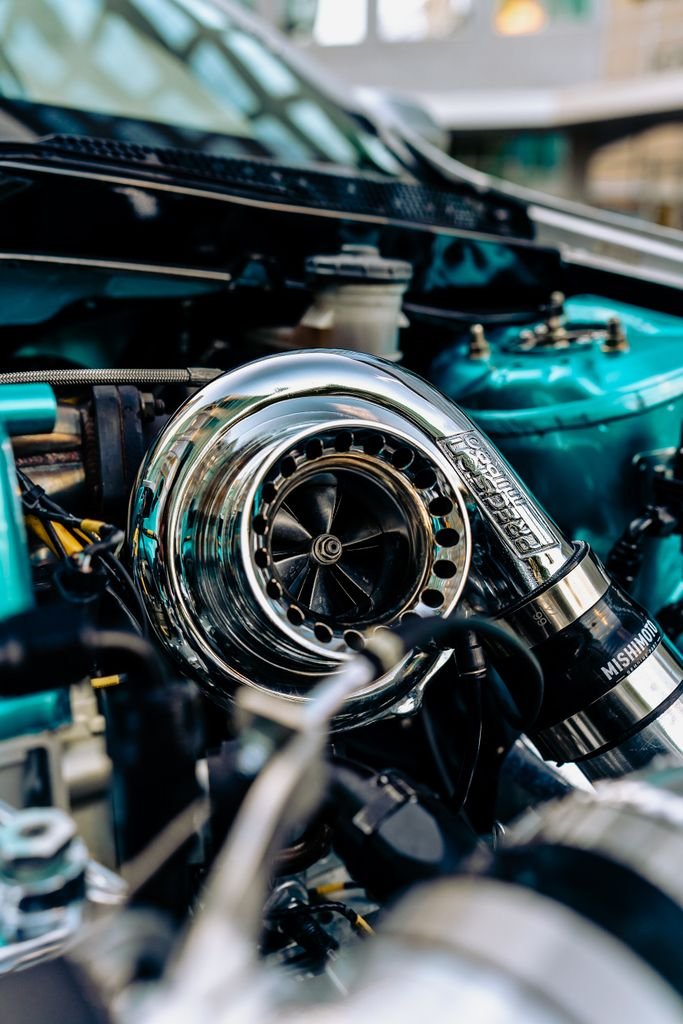
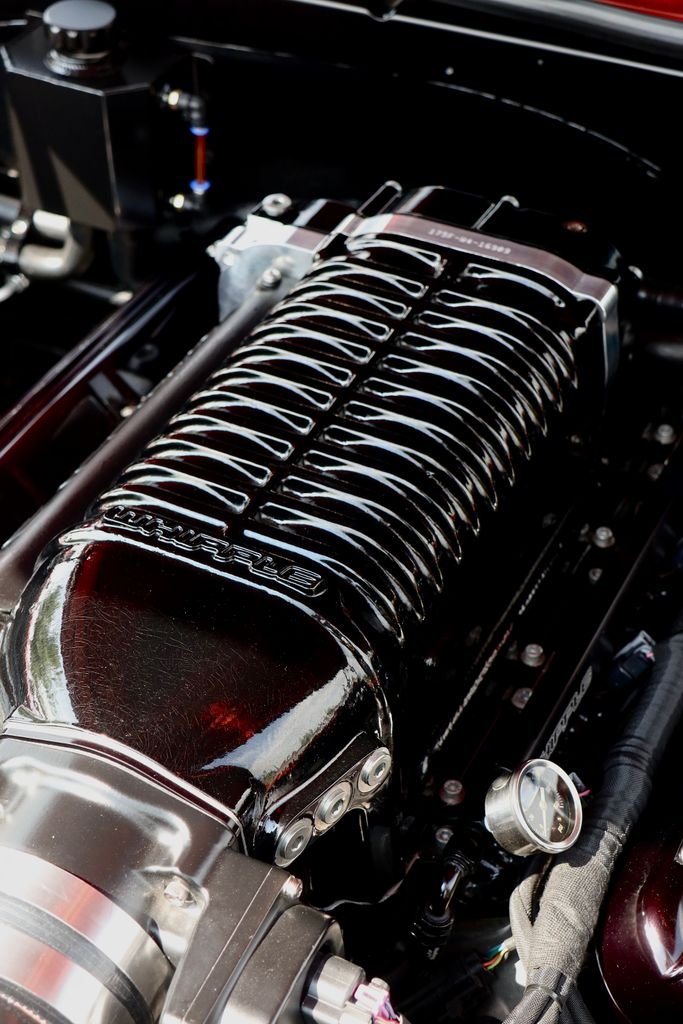
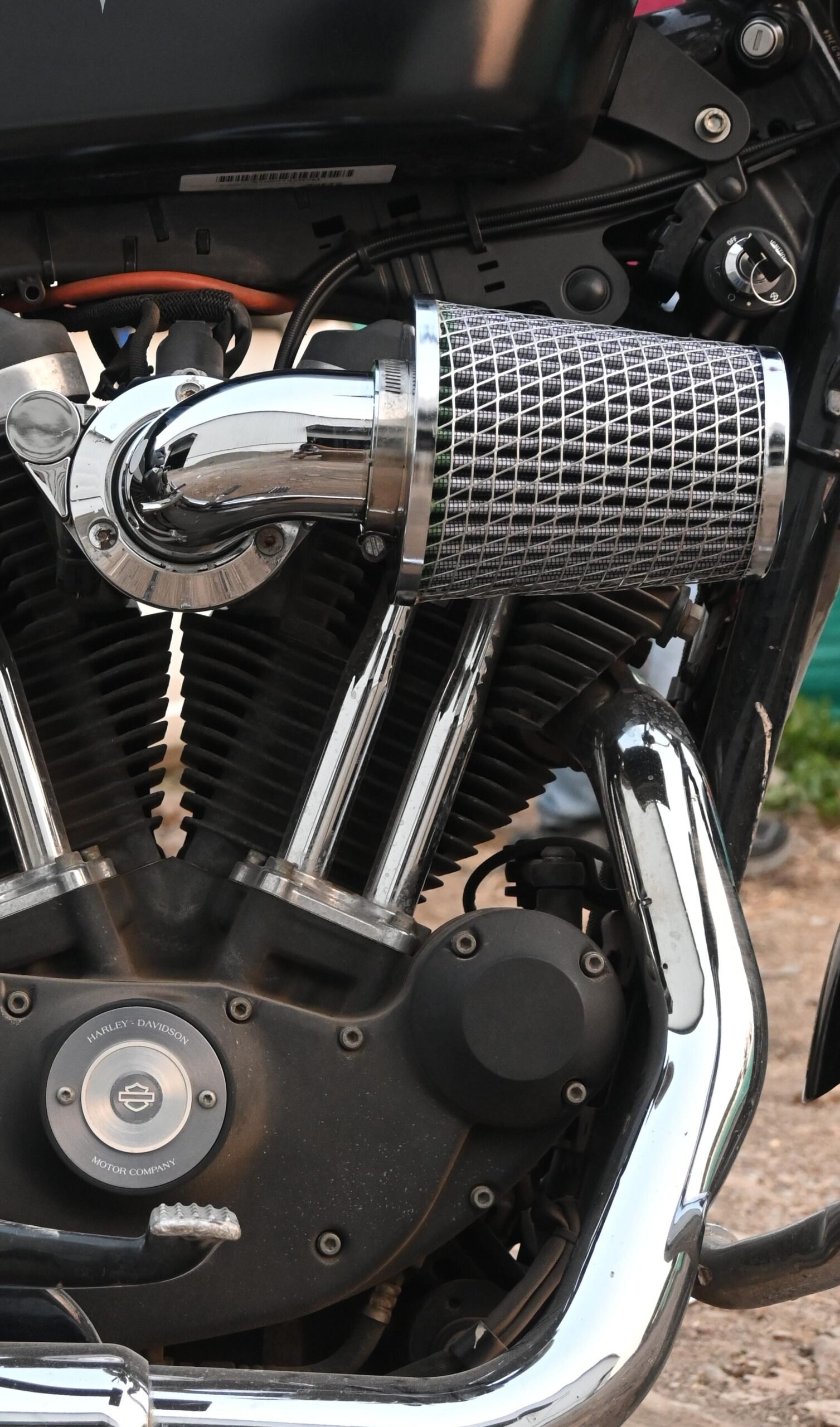
SCHÖRL does not replace forced induction. It addresses the intake filtration stage.
HOW THE ENGINE MANAGES AIR & FUEL
In engines equipped with a mass airflow sensor (MAF), the sensor measures incoming air mass and provides this information to the engine control system, which uses it alongside other sensor inputs to determine fueling. This is one reason the engine’s control system and operating conditions matter when evaluating changes to intake airflow.
01. VOLUMETRIC EFFICIENCY
How effectively the engine fills its cylinders with fresh charge.
SCHÖRL Focus: Intake airflow and filtration resistance.
02. BRAKE THERMAL EFFICIENCY
How effectively the engine converts fuel energy into useful brake power.
SCHÖRL Research: Investigation of the relationship between intake air characteristics and combustion.
03. MECHANICAL EFFICIENCY
How effectively power generated in the cylinder is transferred through the engine’s mechanical system.
SCHÖRL: Does not directly target mechanical efficiency.